Incorporating herbs like oregano into daily meals may contribute to overall dietary diversity, which is often associated with better immune balance.
Digestive Comfort and Balance
Digestive changes are common later in life. Slower digestion, occasional bloating, or mild discomfort can become more noticeable over time.
Oregano has long been used in traditional practices to support digestive function. It may help stimulate digestive enzymes and promote smoother processing of meals.
Its mild antimicrobial properties may also play a role in supporting gut balance. Adding oregano to stews, roasted vegetables, or marinades can introduce these benefits without altering familiar recipes.
As with many natural ingredients, steady inclusion tends to be more effective than occasional heavy use.
Encouraging a Healthy Inflammatory Response
Low-grade inflammation is often associated with joint stiffness and general discomfort as we age. Oregano contains natural compounds that may help support a balanced inflammatory response.
While it cannot replace prescribed treatments, pairing oregano with other anti-inflammatory foods may strengthen overall dietary support. Garlic, turmeric, leafy greens, and olive oil are examples of ingredients that work well alongside it.
A diet that consistently includes a variety of plant-based components can promote mobility and comfort over time.
Even modest amounts used regularly may offer more value than sporadic larger servings.
Easy Ways to Incorporate Oregano
Adding oregano to meals does not require dramatic changes. A sprinkle of dried oregano over scrambled eggs or roasted potatoes can enhance both flavor and nutritional variety.
Fresh leaves can be mixed into salads or blended into homemade dressings. Oregano pairs particularly well with tomatoes, cucumbers, and olive oil.
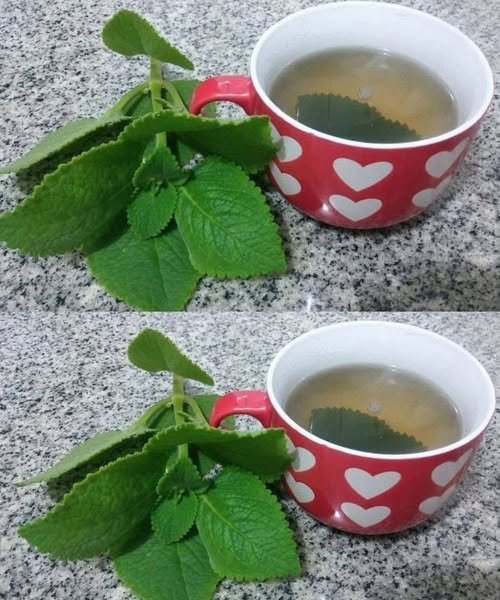
Brewing oregano tea with hot water and a squeeze of lemon offers a simple herbal option, especially during cooler seasons.
🔥 Continue Reading 👇 Next Page