
v
- Turn off the water shut-off valve, located near the toilet.
- Activate the flush to completely empty the tank.
- Fill the spray bottle with white vinegar (about 250-300 ml) and spray generously on the inside of the tank.
- Leave it on for 2 to 3 hours, or overnight if you can.
- Rub the inner walls of the tank with the sponge to remove tartar and mold residue.
- Use the brush to reach deeper areas, such as the nooks and bottom of the tank.
- Rinse with a little clean water and turn on the stopcock so that the tank is refilled.
Additional benefits of this cleaning
A clean tank improves the overall operation of the toilet: flushing is more efficient, annoying noises are reduced and there are no unpleasant odours. White vinegar acts as a natural disinfectant and leaves a feeling of freshness without toxic chemicals.
Practical tips:
- I repeated this procedure every 2 or 3 months to keep the system in tip-top condition.
- If the tartar is very encrusted you can heat the vinegar a little before applying it (be careful not to burn yourself).
- If you live in an area with very hard water, consider using vinegar more often or combining it with baking soda to reinforce cleanliness.
- Always use gloves and tools reserved for this type of cleaning, for hygiene and safety.
- Avoid using chlorine products in this part of the bathroom, as they can damage the internal parts of the flush system.
Even if you don’t see it, the toilet tank deserves the same care as any other part of the bathroom. A little regular effort can help you avoid repairs, bad odors, and water waste. Your bathroom won’t just look cleaner – it will work better.
 Follow our page, like
  , and share this post. Every click can make a difference—perhaps saving your own life or that of a loved one.
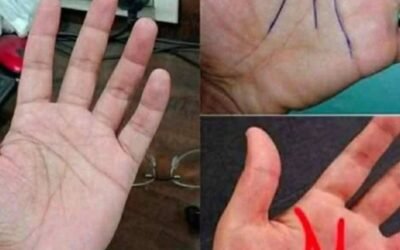
What Does the “M” on Your Palm Say About Love?

Can You Find the 4 Hidden Objects

The 3 Types of Breakfast That Could Damage Your Kidneys

Our ears reveal the true state of our health

Top 3 Foods to Prevent Leg Cramps in Seniors: Strengthen Your Legs Naturally!