Accurate points
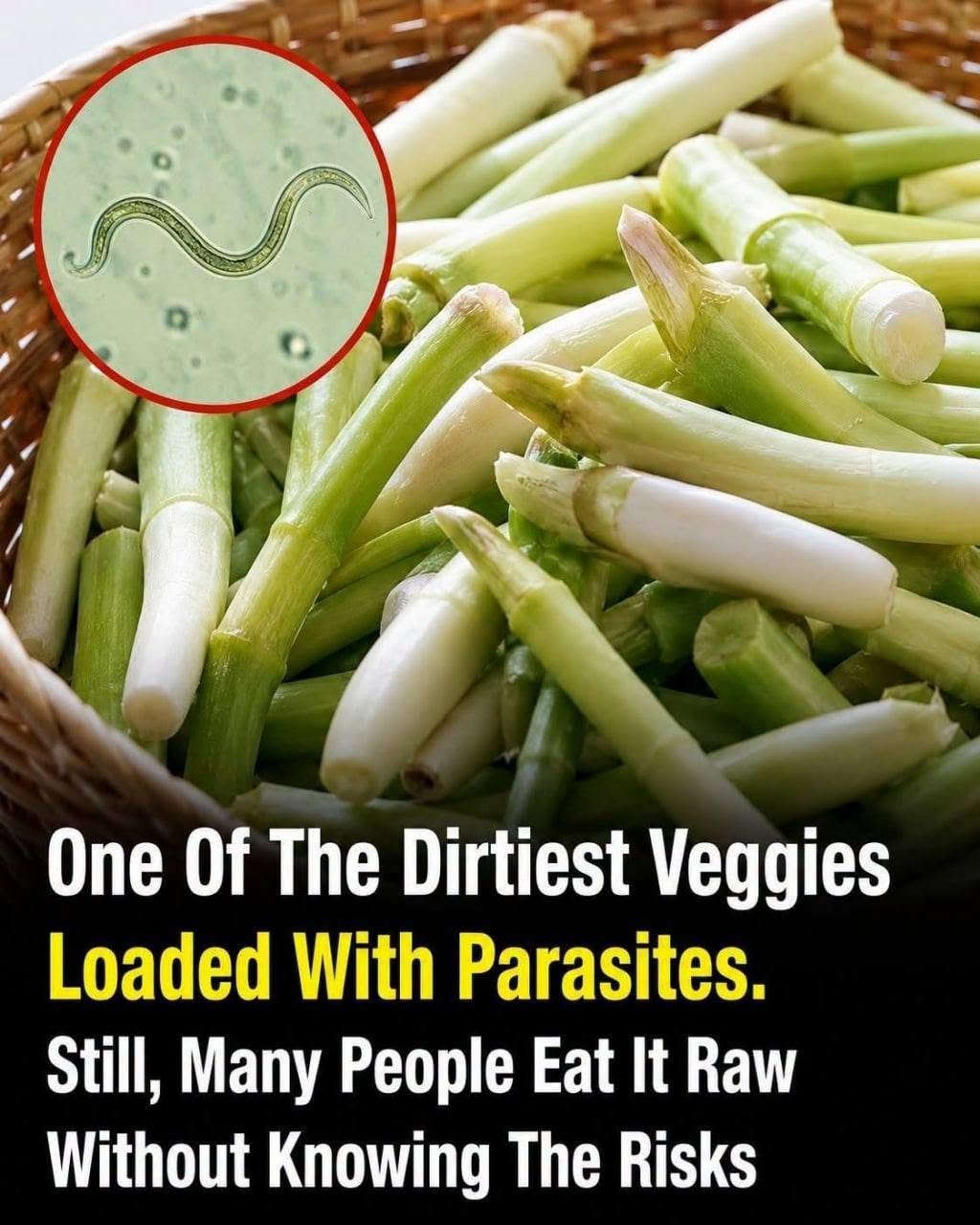
- Raw green onions can be contaminated. Like many fresh vegetables, green onions have been associated with outbreaks of illnesses caused by bacteria such as Salmonella and E. coli, as well as parasites like Cyclospora.
- Growing close to the ground increases exposure. Soil, irrigation water, animals, and handling during harvesting and packaging can all introduce contamination.
- Cooking reduces risk. Heating food to appropriate temperatures kills most disease-causing bacteria and parasites.
- Older adults are at higher risk. People over 65, those with weakened immune systems, and pregnant people are more likely to develop severe illness from foodborne pathogens.
Claims that are exaggerated or unsupported
- “The hollow tube trap.” While dirt and microbes can be present between the layers of green onions, there isn’t strong evidence that their hollow structure makes them uniquely dangerous compared with other leafy vegetables. The main risk comes from contamination during growing, harvesting, and processing—not because bacteria become trapped inside the tube.
- “Trim the top because it harbors bacteria.” There is no established food safety recommendation to routinely cut off the tops of green onions. Removing damaged or wilted portions is reasonable, but trimming healthy tops does not meaningfully reduce risk.
- “Store for up to two weeks.” Freshness varies. Green onions are generally best used within about 7–10 days for quality, though they may last longer if stored properly. Safety depends on keeping them refrigerated and discarding them if they become slimy or spoiled.
- “Systemic inflammation,” circulation, and purple arm blotches. The article suggests that avoiding raw green onions will help prevent inflammation or vascular problems. There is no scientific evidence that eating properly washed raw green onions affects unexplained bruising, circulation, or age-related purple spots in healthy people.
Best practices for eating green onions safely
Food safety authorities generally recommend:
- Wash your hands before handling produce.
- Rinse green onions under running water, gently rubbing the stalks to remove dirt. A bowl rinse can help loosen debris, but running water is important for washing contaminants away.
- Remove the roots and any damaged or wilted portions.
- Use clean cutting boards and knives to avoid cross-contamination.
- Refrigerate promptly.
- If you’re in a higher-risk group (older adult, pregnant, immunocompromised) and want to minimize risk further, consider cooking green onions before eating them.
Bottom line
Green onions are safe for most people when properly handled and washed, and they remain a nutritious food. They are not uniquely hazardous, but—as with lettuce, spinach, herbs, sprouts, and many other fresh vegetables—they can occasionally carry pathogens. If you’re at higher risk of severe foodborne illness, lightly cooking them is a reasonable extra precaution, but most of the article’s broader health claims about inflammation and circulation are not supported by evidence.